At Tess de Mar, our connection with Mallorca is also reflected in the ingredients that reach the table. Among them, Es Trenc salt is a locally sourced product that plays a part in our cooking.
Es Trenc Salt in the Kitchen
Es Trenc salt is a product closely associated with Mallorca. It adds flavour to dishes and comes in different textures and with a variety of subtle nuances.
An Ingredient Rooted in the Local Area
Sea salt has long been part of Mallorca’s history and gastronomy. In Es Trenc, salt production is linked to the salt flats in Campos, where seawater and the sun make it possible to obtain salt.
The Role of Salt in Cooking
Seasoning involves more than simply adding salt to a dish. The amount used, when it is added and how it is incorporated can change the way a dish tastes and help bring out its flavours.
Salt can also be used in sweet dishes, where a small amount helps balance the flavour and create contrast.
Salt complements, enhances and completes a dish without taking centre stage.
Es Trenc Salt: Textures and Pairings
Es Trenc salt is used in the kitchen in different textures and can also be combined with other ingredients to bring new nuances to dishes.
From Natural Salt to Flavour Combinations
In its natural form, the sea salt harvested at the Salinas d’Es Trenc stands out for its crunchy texture, delicate aroma and balanced flavour. When combined with Mediterranean herbs such as rosemary, thyme or marjoram, it introduces aromatic notes characteristic of this cuisine. Citrus fruits, spices and smoked ingredients add further nuances, ranging from fresh and bright to rich and intense.
A Different Texture
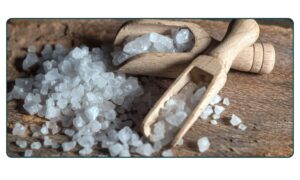
Sea salt flakes are characterised by their fine crystals, which resemble tiny pyramids. Their crunchy texture makes them ideal for adding just before serving, helping preserve their shape and the sensation they bring to each bite.
They are particularly well suited to dishes where the texture of the salt also plays a part, such as salads, vegetables and grilled meats.
A Product from Campos
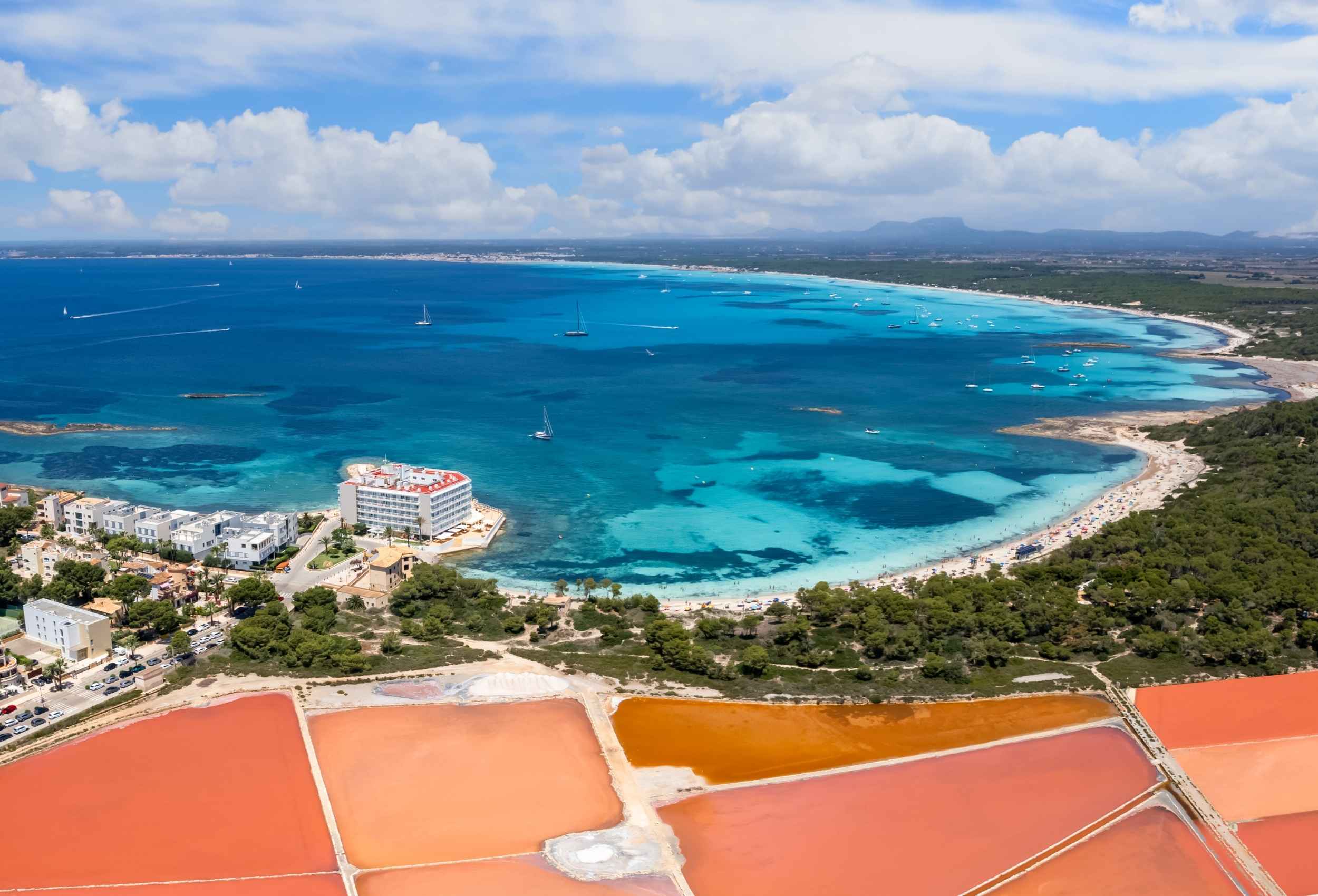
The Salinas d’Es Trenc are located in Campos, in a landscape of dunes and wetlands where salt production is part of the surrounding environment.
A Landscape That Shapes the Salt
The salt flats are located along the road from Campos to Colònia de Sant Jordi. Seawater enters the salt flats and flows through a series of channels and pools, where its salt concentration gradually increases. The sun and warm winds then encourage evaporation, allowing salt crystals to form.
The salt flats are part of a nature reserve covering approximately 2,800 hectares, an environment where salt production coexists with a rich diversity of species. The company also runs projects related to bird protection and marine conservation.
A History Shaped by Salt
The history of the current salt flats began in the 1950s. Salinas de Levante was founded in 1958, and in 2003 the harvesting and marketing of salt formed on the water’s surface began there.
The salt flats can be visited to discover the traditional salt production process up close and explore the surrounding landscape.
From the Salt Flats to the Table at Tess de Mar
The proximity of the salt flats to the restaurant means that Es Trenc salt is one of the locally sourced products used in the kitchen at Tess de Mar.
A Taste of the Local Area
The cuisine at Tess de Mar draws inspiration from Mallorca and the Mediterranean, approaching ingredients from a contemporary perspective. Es Trenc salt is part of this approach and also features in small details of the dining experience, such as the bread served with Mallorcan olive oil.
From the salt flats of Campos to the table at Tess de Mar, the salt travels just a few kilometres before becoming part of the dining experience. A simple ingredient that brings a little piece of Mallorca to the table.